Rubbish Removal Efficiency
by Admin
Posted on 10-02-2026 10:56 AM

Defining Rubbish Removal Efficiency
Rubbish removal efficiency refers to the optimal use of resources time, labor, fuel, and equipment to collect, transport, process, and dispose of waste materials with minimal waste generation and maximum resource recovery. It's a holistic measure that considers not just the speed of collection but also the environmental footprint, cost-effectiveness, and the overall effectiveness of diverting waste from landfills. True efficiency means achieving the desired waste management outcomes while consuming the least amount of resources and causing the least environmental harm possible.
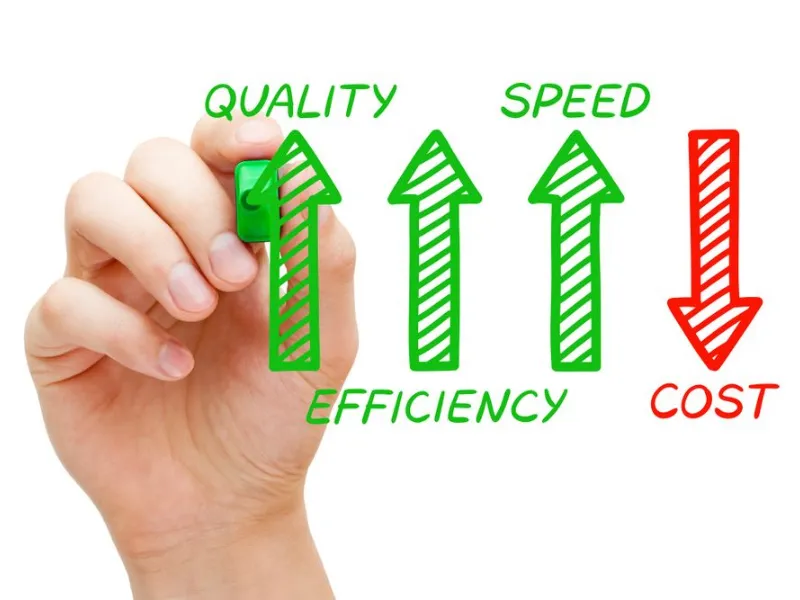
Why Efficiency Matters in Waste Management
The importance of efficient rubbish removal extends far beyond simply keeping streets clean. Inefficient systems lead to overflowing bins, increased litter, higher greenhouse gas emissions from unnecessary truck movements, and escalating costs for municipalities and taxpayers. Conversely, optimized waste management contributes significantly to public health by reducing pest infestations and disease vectors, conserves natural resources through better recycling and recovery, and supports local economies by creating jobs in the recycling and waste processing sectors. Efficient systems are also more resilient, better able to handle fluctuations in waste volumes and unexpected disruptions.
Key Components of an Efficient Rubbish Removal System
Building an efficient waste management system requires attention to several interconnected components. Neglecting any one element can undermine the efficiency of the entire process.
Advanced Collection Technology
Modern collection vehicles equipped with automated lifting mechanisms, on-board weighing systems, and GPS tracking dramatically improve efficiency. Automated side or rear loaders reduce collection times per stop by up to 50% compared to manual collection. On-board scales ensure trucks are filled to optimal capacity, avoiding underutilization or overweight violations, while GPS enables real-time tracking and dynamic routing adjustments.
Intelligent Route Optimization
Optimizing collection routes is perhaps the most significant factor in improving fuel efficiency and reducing collection times. Advanced software analyzes factors like bin fill levels (from smart sensors), traffic patterns, road restrictions, and collection priorities to generate the most efficient routes daily. This minimizes travel distances, reduces fuel consumption and emissions, and allows more collections per shift. Dynamic routing can even adapt in real-time to unexpected events like road closures or traffic delays.
Streamlined Processing and Sorting
Efficiency doesn't stop at collection. Modern Material Recovery Facilities (MRFs) use advanced sorting technologies like optical sorters, magnets, eddy currents, and AI-powered robotics to separate recyclables faster and more accurately than manual sorting. This increases the purity and value of recycled materials while reducing processing costs. Efficient processing also includes proper composting of organic waste and energy recovery from non-recyclables through waste-to-energy technologies.
Strategies for Improving Residential Rubbish Removal Efficiency
Households play a crucial role in the overall efficiency of waste management systems. Implementing effective source separation is paramount. When residents correctly sort recyclables, organics, and residual waste at the point of generation, it significantly reduces contamination and increases the value of recovered materials. Communities can boost participation and accuracy through clear labeling, convenient bin placement, consistent collection schedules, and ongoing public education campaigns. Providing appropriate bin sizes based on household needs also prevents overflow and reduces unnecessary collections.
Enhancing Commercial and Industrial Waste Management
Businesses and industries generate large volumes of often complex waste streams, presenting unique efficiency challenges. Conducting regular waste audits helps identify opportunities for waste reduction, improved segregation, and recycling. Implementing specialized collection schedules for different waste types, such as compactors for cardboard or dedicated containers for organic waste, optimizes collection frequency and vehicle utilization. Many businesses also benefit from partnering with waste management providers who offer https://rubbishranger.com/blog/clutter-removal/efficient-rubbish-removal-solutions efficient rubbish removal solutions and data-driven insights tailored to their specific waste generation patterns.
The Role of Technology and Innovation
Emerging technologies are revolutionizing rubbish removal efficiency. Smart bins equipped with fill-level sensors communicate with collection systems, triggering pickups only when needed rather than on rigid schedules. Artificial intelligence analyzes vast amounts of waste data to predict generation patterns and optimize operations further. Electric and hybrid collection vehicles reduce fuel costs and emissions. Blockchain technology is being explored to enhance transparency and traceability in waste streams, particularly for recyclables and hazardous materials. These innovations, combined with ongoing research into new recycling technologies and waste reduction methods, promise even greater efficiency gains in the future.
FAQs
What is the biggest factor in rubbish removal efficiency?
Route optimization typically offers the most significant efficiency gains, reducing fuel consumption, emissions, and collection times.
How does recycling improve overall efficiency?
Recycling diverts valuable materials from landfills, reducing disposal costs and the need for virgin resources, while often requiring less energy than manufacturing from raw materials.
Are smart bins worth the investment?
For high-traffic areas or locations with variable waste generation, smart bins can significantly reduce unnecessary collections and overflow, offering a strong return on investment over time.
How can small businesses improve their waste management efficiency?
Start with a waste audit to understand your waste streams, then implement proper segregation, right-sized containers, and explore specialized recycling programs for your specific materials.
Does efficient rubbish removal always cost more?
Not necessarily. While initial investments in technology or infrastructure may be higher, efficient systems typically reduce long-term operational costs through lower fuel consumption, reduced labor requirements, and increased revenue from recycled materials.
What role does the public play in rubbish removal efficiency?
Residents and businesses are crucial. Proper waste segregation, reducing contamination in recycling bins, and participating in waste reduction programs directly impact the efficiency and cost-effectiveness of the entire system.